Divine History and Significance of Bageshwar Dham
📜 The History of Bageshwar Dham The divine origins of Bageshwar Dham trace back to the ancient era of sages and seers. It is believed
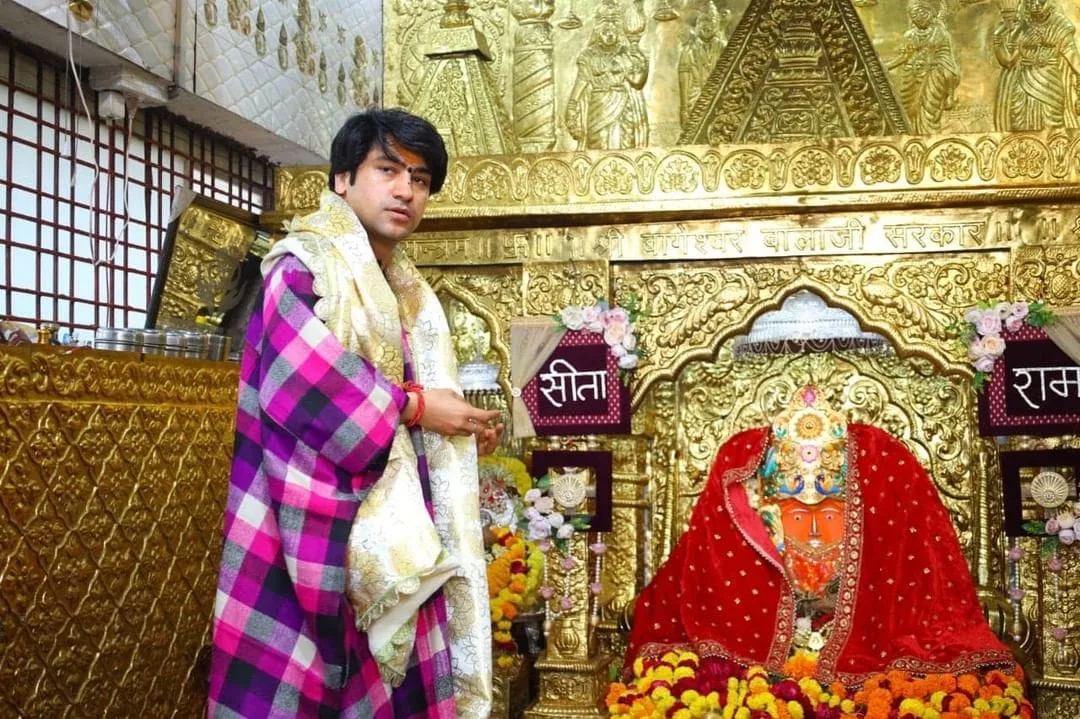
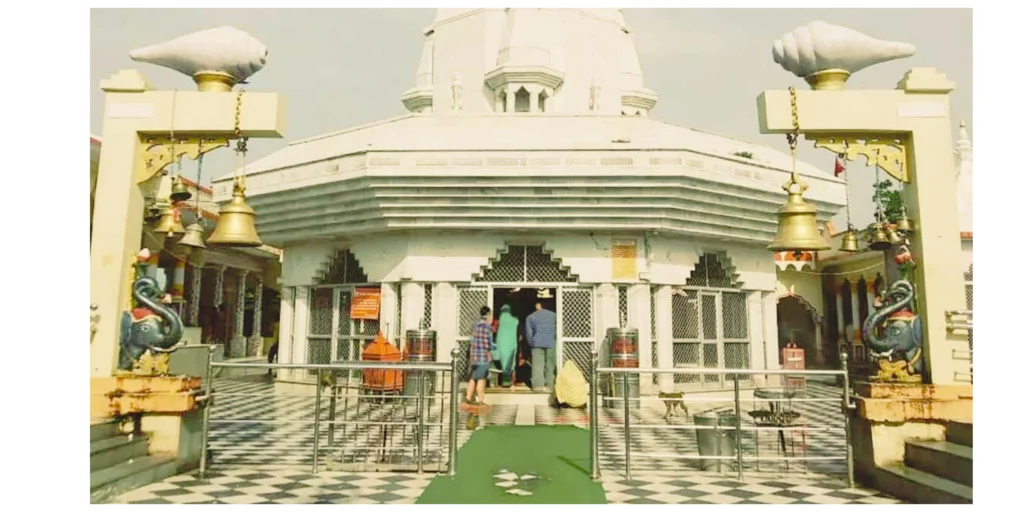
Bageshwar Dham is a well-known Hindu temple located in the village of Gada, in the Chhatarpur district of Madhya Pradesh, India. The temple is dedicated to Lord Hanuman and is visited by devotees and tourists interested in Hindu religious traditions, temple history, and spiritual practices. Its peaceful rural setting contributes to its recognition as a place for worship and reflection.
Historical accounts suggest that the temple dates back to the 16th century. The main sanctum houses an idol of Lord Hanuman, which holds religious importance in Hinduism and represents devotion, strength, and discipline.
Bageshwar Dham is considered an important religious site in the Bundelkhand region of Madhya Pradesh. Devotees visit the temple to offer prayers and participate in traditional Hindu rituals. Over time, the temple has also become a point of cultural interest for visitors seeking to understand regional religious practices and local traditions.
The temple complex accommodates religious gatherings and customary worship activities that follow established Hindu customs.
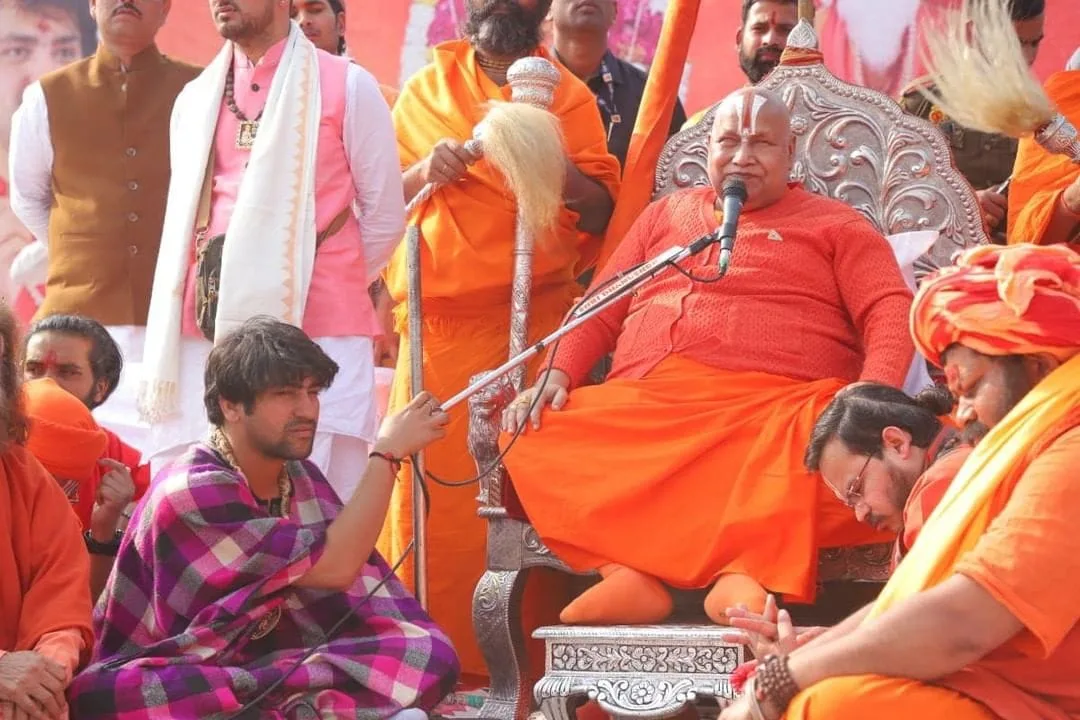
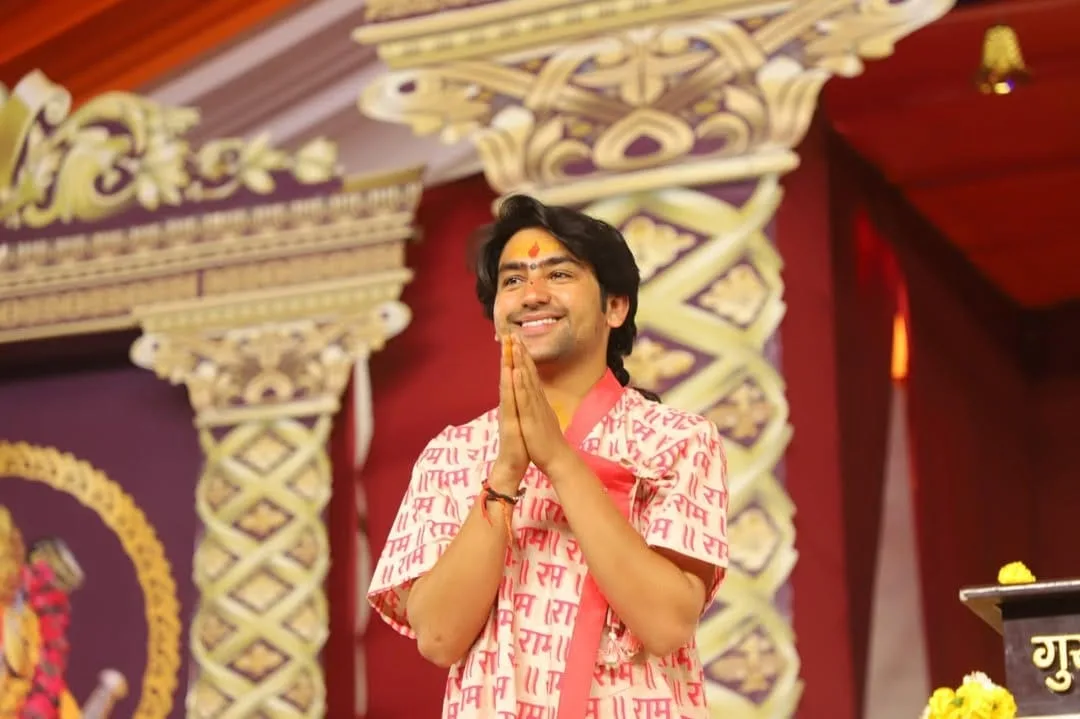
Pandit Dhirendra Krishna Shastri is associated with Bageshwar Dham as its spiritual leader. He is known for delivering discourses and narrations based on Hindu scriptures and spiritual texts. His sessions focus on religious teachings, ethical values, and interpretations of Hindu philosophy.
These religious gatherings attract followers from different parts of India and contribute to the temple’s contemporary relevance in Hindu religious discourse.
Visitors to Bageshwar Dham can take part in daily prayers, spiritual assemblies, and meditation activities within the temple premises. The environment is designed to support quiet reflection and religious observance. The temple remains open to devotees and visitors in accordance with its established guidelines and traditions.
Bageshwar Dham continues to serve as a place of worship and cultural significance, reflecting the enduring role of temples in Hindu religious life.


Applications submitted at the court of Bageshwar Dham for the purpose of meeting Gurudev and seeking guidance are accepted without any application fee. The process is conducted in accordance with the established practices of the institution.
The process for submitting an application at Bageshwar Dham follows established religious customs observed by visitors. Upon arrival at the temple, applicants traditionally place a coconut wrapped in cloth within the shrine premises as part of the customary practice.
Different cloth colors are commonly used to indicate the general nature of the request. A red cloth is typically used for general applications, a yellow cloth is associated with matters related to marriage, and a black cloth is used for applications connected to spiritual or personal concerns, according to prevailing local traditions.
According to public discourses, it is also stated that individuals who are unable to visit Bageshwar Dham in person may perform this practice at their home place of worship. These practices are described as part of religious belief and personal devotion, and participation is based on individual faith and choice.
The token application process at Bageshwar Dham follows specific institutional guidelines that visitors are advised to note.
There is currently no online booking or digital registration system for obtaining tokens at Bageshwar Dham. Visitors are required to be physically present at the Dham to receive a token.
Tokens issued at Bageshwar Dham are provided without any charge. No payment or fee is required as part of the token distribution process.
Visitors are advised to exercise caution if approached by individuals requesting payment in exchange for a token. According to publicly stated guidelines, the temple administration does not authorize any monetary transactions for token issuance and is not responsible for actions taken by unauthorized individuals.

For more information, you can call:
+91 7055005553, 7055005554
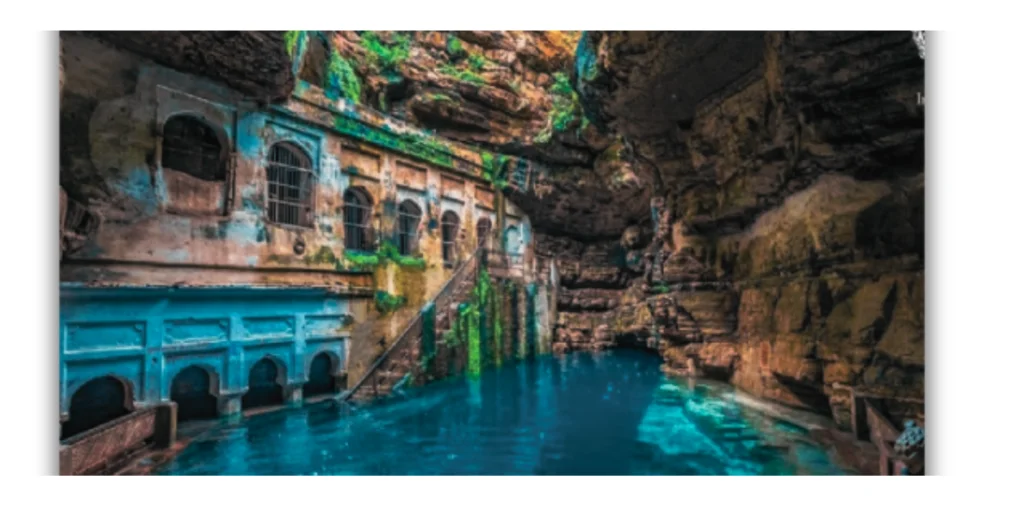
Distance from Bageshwar Dham: Approximately 35 km
MPT Kutni Island Resort is located in Khajuraho, within the Chhatarpur district of Madhya Pradesh. The resort is situated on an island in the Kutni Dam area and is known for its natural surroundings and quiet environment. It lies about 16 km from the Khajuraho Temples, a UNESCO World Heritage Site.
The resort accommodates a range of travelers, including leisure visitors, families, and business guests. Its location offers views of the Kutni Dam and access to open natural spaces that support rest and recreational activities. The setting combines basic modern amenities with a nature-focused environment, making it suitable for short stays and planned visits to nearby attractions.
Distance from Bageshwar Dham: Approximately 25 km
Khajuraho is a historically significant town located in the Chhatarpur district of Madhya Pradesh, India. It is internationally recognized for its group of temples that are listed as a UNESCO World Heritage Site. The location is frequently visited by individuals interested in Indian history, temple architecture, and cultural heritage.
The temples of Khajuraho were constructed between the 9th and 12th centuries during the rule of the Chandela dynasty. These structures are noted for their detailed stone carvings and distinctive architectural style. The sculptures depict a wide range of subjects, including daily life, mythological narratives, and symbolic representations found in Hindu and Jain traditions.
Khajuraho’s temple complex is regarded as an important example of medieval Indian architecture and provides insight into the artistic and cultural practices of the period. The site continues to serve as a point of cultural and historical study for visitors and researchers.
Distance from Bageshwar Dham to Panna: Approximately 55 km
Panna is a town in Madhya Pradesh known for its natural reserves and historical landmarks. It is commonly visited by travelers interested in wildlife, heritage sites, and regional culture.
Panna National Park is a protected wildlife area located in the Panna district of Madhya Pradesh. The park is recognized for its diverse ecosystems and supports a range of plant and animal species. Wildlife found in the reserve includes tigers, leopards, deer, antelopes, and various bird species.
The park forms part of the Panna Biosphere Reserve and is managed in accordance with established conservation guidelines. It attracts visitors interested in wildlife observation, ecological studies, and nature-based tourism within central India.
The Jugal Kishore Ji Temple is a historical and religious site located in Panna. The temple was constructed during the 18th century under the patronage of Raja Hindupat Singh, a ruler of the Bundela dynasty. It is associated with traditional religious practices and local history.
Architecturally, the temple reflects the Bundelkhandi style, featuring structural elements such as a nat mandapa, bhog mandapa, and a circumambulatory path (pradakshina path). The temple’s design and ornamentation represent the artistic traditions prevalent in the Bundelkhand region during that period.
Distance from Bageshwar Dham to Jatashankar Dham : Approximately 80 km
Jatashankar Dham is a Hindu temple dedicated to Lord Shiva, located in the Chhatarpur district of the Bundelkhand region in Madhya Pradesh. The temple is situated around 15 km from Bijawar Tehsil and is set amid rocky hills and natural surroundings. It is recognized as an important religious site within the region and is visited by devotees and travelers interested in religious heritage.
Jatashankar Dham is regarded as a site of long-standing religious importance. The temple complex is associated with traditional worship practices dedicated to Lord Shiva and is particularly visited during religious observances such as Amavasya (New Moon days). One of the notable features of the temple is the presence of a Gomukh structure, through which water flows continuously over the Shivling as part of customary rituals.
The main sanctum of Jatashankar Dham houses a naturally formed Shivling, which holds religious significance for devotees. Visitors participate in prayers and rituals in accordance with Hindu traditions.
The temple परिसर (complex) also includes three natural water reservoirs, commonly referred to as kunds. These water bodies are known for their year-round water presence. Seasonal variations in water temperature are observed, and bathing in the kunds is practiced by visitors as part of customary religious observance.
Jatashankar Dham continues to function as a place of worship and cultural relevance in Bundelkhand. Its location amid natural terrain makes it a point of interest for individuals seeking to explore religious sites alongside regional geography. The temple remains accessible to devotees and visitors following established guidelines and traditions.
Distance from Bageshwar Dham to Bhimkund: Approximately 95 km
Bhimkund, also referred to as Neelkund, is a natural water pool located in the village of Bajna, around 70 km from Chhatarpur district in Madhya Pradesh. The site is known for its clear blue water, which allows visibility beneath the surface, including aquatic life such as fish.
Bhimkund holds cultural and religious importance in local tradition. According to traditional accounts associated with the Indian epic Mahabharata, the pool is linked to the Pandava brothers during their forest exile. These narratives form part of regional folklore and contribute to the site’s cultural significance.
The location is visited by individuals interested in natural formations, local heritage, and traditional narratives associated with the region.

Distance from Bageshwar Dham to Kundeshwar Dham: Approximately 125 km
Kundeshwar Temple is a Hindu temple dedicated to Lord Shiva, located in Kundeshwar village, about 12 km from Tikamgarh town in the Tikamgarh district of Madhya Pradesh. The temple is recognized for its historical background and architectural features and is visited by devotees as well as individuals interested in regional heritage.
One of the distinguishing characteristics of Kundeshwar Temple is its partially underground structure. Portions of the temple are situated below ground level, a design element that reflects traditional construction practices from earlier periods. This architectural approach contributes to the temple’s distinct appearance compared to other temples in the region.
The temple complex includes a natural water source that flows within the premises. This feature forms part of the temple’s traditional setting and is associated with customary religious observances. The presence of the spring also adds to the site’s cultural and environmental context.
Kundeshwar Temple continues to function as a place of worship and cultural importance in the Tikamgarh district. Its combination of historical architecture and natural elements makes it a point of interest for visitors exploring religious sites in Madhya Pradesh. The temple remains accessible to visitors in accordance with established practices and guidelines.

Distance from Bageshwar Dham to Dhubela: Approximately 45 km
Dhubela Museum is a historical and cultural institution located in the town of Dhubela, about 15 km from Chhatarpur in Madhya Pradesh. The museum is associated with Maharaja Chhatrasal, a prominent ruler of the Bundelkhand region, and is situated near the site of his former fort and palace. The location holds significance for visitors interested in regional history and heritage.
The museum documents the life and period of Maharaja Chhatrasal through a collection of artifacts, sculptures, inscriptions, and historical materials. These exhibits provide information about political, cultural, and social developments in Bundelkhand during the medieval period.
Dhubela Museum presents aspects of Bundelkhand’s historical development, including its art, architectural traditions, and governance. The displays offer context on the region’s cultural heritage and the role of local rulers in shaping its historical identity.
Dhubela Museum continues to function as a public heritage site and educational resource. It is accessible to visitors seeking to learn about the history of Bundelkhand and the broader historical landscape of Madhya Pradesh, in accordance with established visitor guidelines.
📜 The History of Bageshwar Dham The divine origins of Bageshwar Dham trace back to the ancient era of sages and seers. It is believed

In the Mahabharata, Karna, the son of Kunti, was nurtured by Adhiratha and Radha. As an infant, he was found floating in a basket along
RakshaBandhan special – The Importance of the Thread Once, Draupadi went to take a bath at the Yamuna riverbank. When she reached the riverbank, her

What is Sanatan Dharm Sanatan Dharma, which is sometimes simply referred to as “Hinduism,” is one of the oldest and most diverse philosophical and religious